Introduction
As summer season ways, the sweltering warmness can turn your relaxed house into an uncomfortable sauna. Air conditioning techniques develop into needed, however the question arises: can you put in your personal air conditioner? With a rising development in the direction of DIY initiatives, many owners are fascinated by taking concerns into their own hands. This article delves into the bits and bobs of DIY AC installation, exploring whether it’s essentially available for the common home owner or better left to the experts.

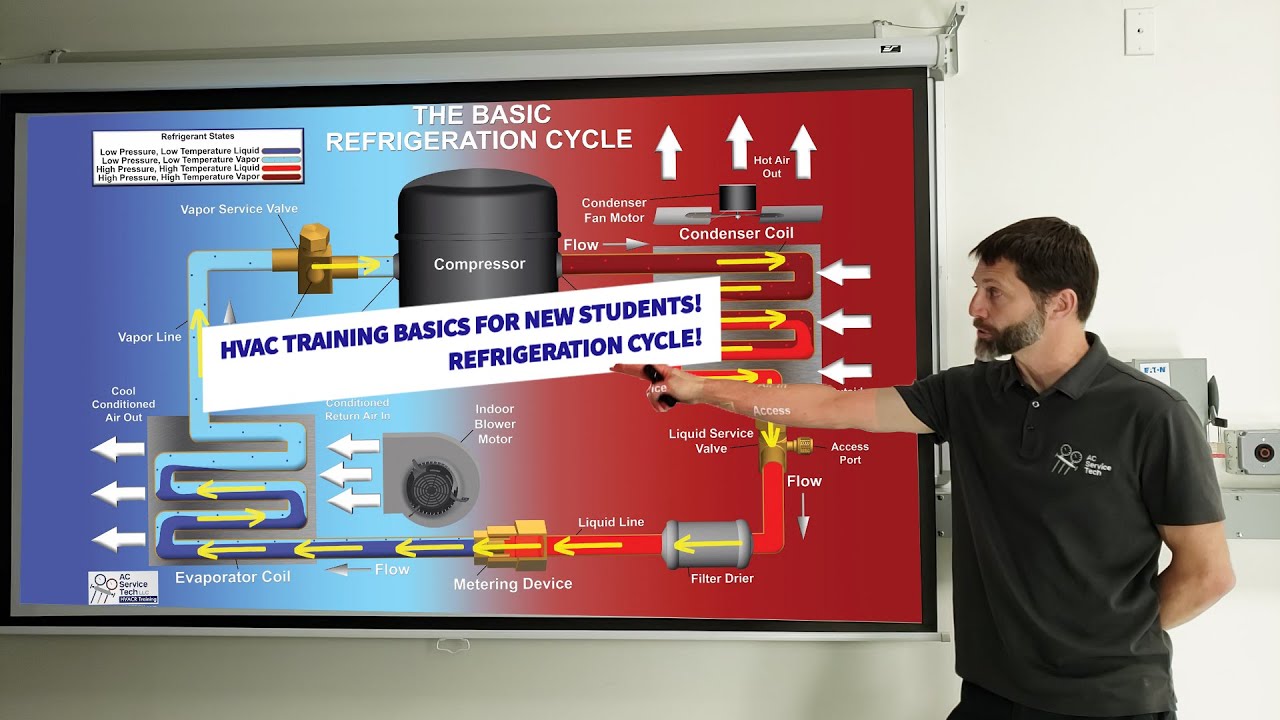
Understanding the Basics of Air Conditioning Systems
What is an Air Conditioner?
An air conditioner (AC) is a technique designed to adjust indoor temperatures by using getting rid of warmness from a selected sector and expelling it external. It operates at the rules of thermodynamics, regarding refrigerants that take in and free up warmness.
Types of Air Conditioners
When deliberating a DIY AC install, it really is primary to recognize the exclusive different types of air conditioners possible:
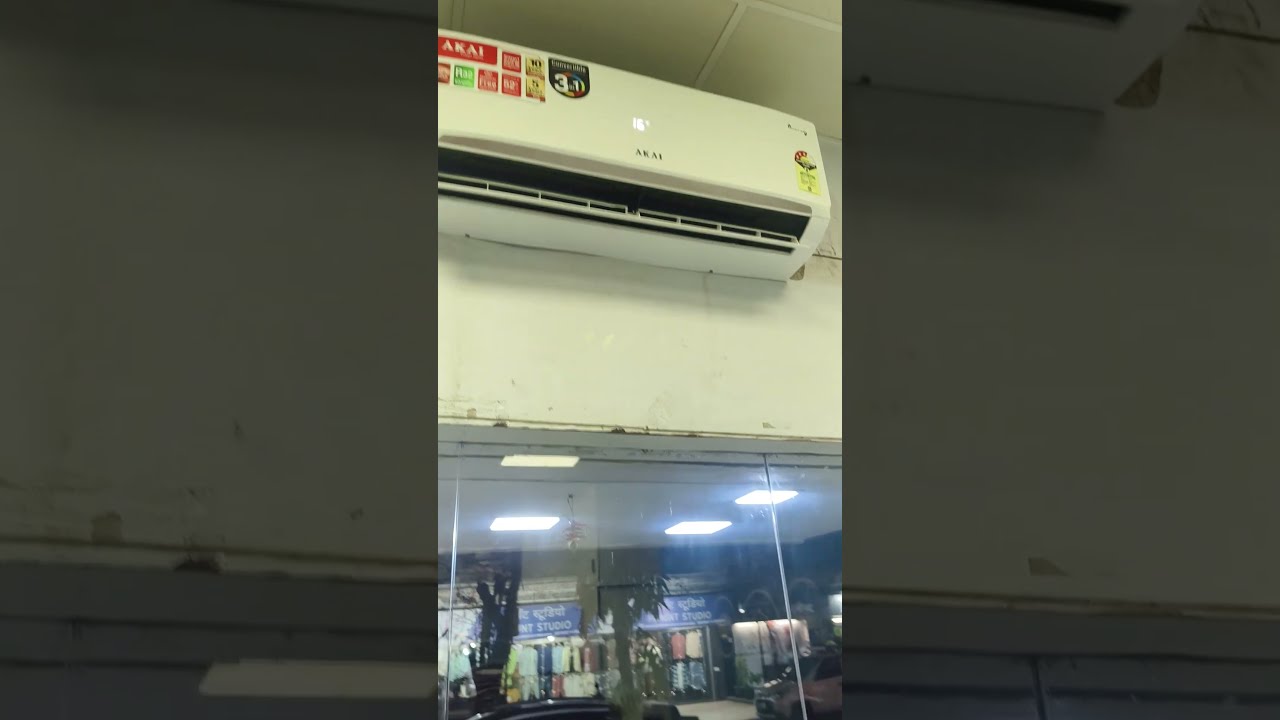
- Window Units: Compact devices finest for unmarried rooms. Affordable but will likely be much less helpful for large spaces. Portable ACs: Versatile and easy to head but may possibly require venting with the aid of a window. Split Systems: Comprising two contraptions (indoor and open air), featuring helpful cooling for accomplished residences yet elaborate to put in. Central Air Conditioning: Best for broad residences, employing ducts to distribute cool air all the way through.
Choosing the Right Air Conditioner
What Size of AC Unit Do I Need?
Determining the right measurement is crucial. An undersized unit will war to cool your space, at the same time an outsized https://pastelink.net/ioogdxnf unit will cycle on and off too regularly, premier to inefficiency. The normal rule of thumb is:
- Calculate your room's square pictures. Use BTU (British Thermal Units) rankings as a book. Typically, you desire about 20 BTUs in keeping with square foot.
| Room Size (sq toes) | Recommended BTUs | |-------------------|------------------| | a hundred - 300 | five,000 - 7,000 | | 300 - 600 | 7,000 - 14,000 | | 600 - 1,000 | 14,000 - 25,000 |
How Do I Know What Type of Air Conditioner to Buy?
Choosing an AC comes to evaluating various elements:
Room Size: Larger rooms require more useful items. Energy Efficiency: Look for contraptions with prime SEER (Seasonal Energy Efficiency Ratio) scores. Installation Feasibility: Some versions are more uncomplicated for DIY set up than others. Cost: Factor in equally preliminary acquire worth and lengthy-time period operational prices.
DIY AC Installation: Can You Really Do It Yourself?
The reply isn’t elementary; it relies greatly to your capabilities and adventure. While many house owners efficiently total their very own installations, there are complexities in touch that could result in error if one isn’t cautious.
Pros of DIY Installation
Cost Savings: Avoid exertions costs with the aid of managing set up yourself. Flexibility: Choose your time table with no waiting for seasoned availability. Learning Experience: Gain critical talents and abilities about HVAC techniques.Cons of DIY Installation
Potential Errors: Mistakes can lead to inefficient operation or maybe spoil to the unit. Safety Risks: Working with electric constituents poses safe practices dangers if not dealt with in fact. Warranty Issues: Many brands void warranties if installations aren’t played by using licensed pros.Preparing for Your DIY AC Installation
Gather Necessary Tools and Equipment
Before diving into installing, determine you've got you have got all the pieces you desire:
- Screwdrivers Wrenches Level Tape measure Drill Safety goggles and gloves
Read the Instruction Manual Thoroughly
Each aircon unit comes with express guidance that needs to be adopted carefully for correct install and most effective performance.
Step-by means of-Step Guide to Installing Your Own AC Unit
Step 1: Choosing an Installation Location
Select a region that makes it possible for adequate airflow equally interior and exterior whilst being honestly reachable for protection.
Step 2: Mounting the Indoor Unit
If you might be installation a cut up manner:
Use a degree to mark the place the indoor unit will hang at the wall. Drill holes as unique within the guide for mounting brackets.Step 3: Installing the Outdoor Unit
Place the backyard condenser on a sturdy floor like concrete pads or brackets—making certain accurate drainage clear of your place.
Step four: Connecting Electrical Lines
Follow safeguard protocols while connecting continual lines:
Turn off electricity at the breaker box previously birth work. Connect wires in step with brand specifications; unsuitable wiring can motive fires or machinery failure.Step 5: Sealing Refrigerant Lines
Ensure all connections are tight and appropriately insulated with foam tape or equivalent fabrics to hinder potential loss.
Testing Your Newly Installed AC System
Once every little thing is hooked up:
Turn on chronic at the breaker box. Switch to your unit because of far flung keep watch over or wall thermostat. Monitor overall performance—fee airflow temperature after jogging for a couple of minutes; it may want to be extraordinarily cooler than room temperature.FAQ Section
Q1: Can I Install My Own AC Unit?
Yes! Many property owners successfully total their own installations; despite the fact, it requires careful making plans and adherence to safe practices protocols.
Q2: How Much Does Professional AC Installation Cost?
Professional costs differ widely dependent on area but frequently wide variety from $500-$2000 depending on complexity and type of unit mounted.
Q3: Where Can I Buy Air Conditioner Online?
Several reliable marketers promote air conditioners on-line—appearance out for patron reviews while procuring from web sites like Amazon or specialised HVAC stores like acprices.ca.
Q4: Are There Any Local Regulations Regarding AC Installation?
Yes! Check native construction codes which would dictate actual requisites related to HVAC installations—failure to conform may want to bring about fines or needed removing of non-compliant sets.
Q5: What Maintenance Is Required After Installation?
Regular protection comprises changing filters each few months, cleaning coils once a year, checking refrigerant stages, and guaranteeing drainage systems paintings proper.
Q6: How Do I Find The Best AC Companies in Canada?
You can seek on-line directories like acprices.ca which offer ratings structured on client comments and service high-quality—making sure you desire professional companies whilst needed!
Conclusion
In end, while engaging in a DIY AC set up might appear daunting first and foremost glance, with enough coaching and know-how it’s entirely you could! From know-how what length unit fits your needs most well known by discovering how every element works collectively—the adventure may well simply empower you in addition as a home-owner! Remember continually prioritize safeguard primarily else throughout installing methods; if doubtful don’t hesitate achieving out experts indexed at superior AC agency listing Canada acprices.ca!
With summer season true round corner don’t enable soreness get you down—equip your self lately by means of investing time learning merchandise achievable sooner than making decisions even if appoint experts skilled tradespeople or take plunge into wonderful global do-it-your self projects!
This article gives you entire insights into DIY air-con installation although keeping up professionalism right through its content—encouraging readers explore options expectantly!